Circle Leaf Pattern: A Versatile Design Element for Modern Packaging and Decor
The Circle Leaf Pattern is a unique design element that blends the organic beauty of nature with the precision of geometric shapes. This pattern, characterized by circular leaves arranged in seamless formations, offers a fresh approach to visual design across multiple industries. Whether you're working on packaging for natural cosmetics or creating decorative elements for textile and wallpaper designs, the Circle Leaf Pattern provides a versatile foundation that can be adapted to various projects.
Understanding the Circle Leaf Pattern
The Circle Leaf Pattern draws inspiration from botanical illustrations and floral motifs, but it introduces a modern twist through its use of circular forms. Unlike traditional leaf patterns that often feature elongated, asymmetrical shapes, this design uses circular leaves that are interconnected or repeated in a seamless manner. This makes it ideal for use in backgrounds, textures, and repeatable graphics.
As a vector-based design, the Circle Leaf Pattern is scalable without loss of quality, making it perfect for both digital and print applications. Its clean lines and structured repetition allow it to work well in a variety of contexts, from product packaging to decorative elements in fashion and home decor.
Where Does the Circle Leaf Pattern Fit in the Design Process?
The Circle Leaf Pattern can be integrated at any stage of a design project. It serves as a foundational element that can be used during the conceptualization phase to inspire color schemes and layouts, or as a final touch to enhance the visual appeal of a finished product.
In the early stages of a project, the pattern can help establish a cohesive aesthetic. For example, when designing packaging for an organic skincare line, the Circle Leaf Pattern can guide decisions about color palettes and layout structures. As the project progresses, it can be layered over other design elements to add depth and texture. Finally, during the final review, it can be fine-tuned to ensure consistency and alignment with brand identity.
Using Circle Leaf Pattern in Different Media Types
The versatility of the Circle Leaf Pattern lies in its adaptability to different media types. As a vector format, it can be easily scaled and manipulated for use in various applications:
- Packaging: The pattern can be applied as a background or accent to product boxes, labels, and wrapping materials. It adds a natural and organic feel that aligns with eco-friendly branding.
- Textiles: When used in fabric prints, the Circle Leaf Pattern creates a subtle yet elegant look that works well in both casual and formal settings.
- Wallpapers and Decor: The seamless nature of the pattern makes it ideal for use in wallpaper designs, wall art, and decorative panels. It brings a sense of calm and natural beauty to interior spaces.
- Digital Assets: In web design, the pattern can serve as a background for landing pages, product showcases, or promotional content, enhancing user experience through visual harmony.
By leveraging the Circle Leaf Pattern across different media types, designers can create a consistent and recognizable visual language that resonates with their target audience.
Combining Colors for Visual Impact
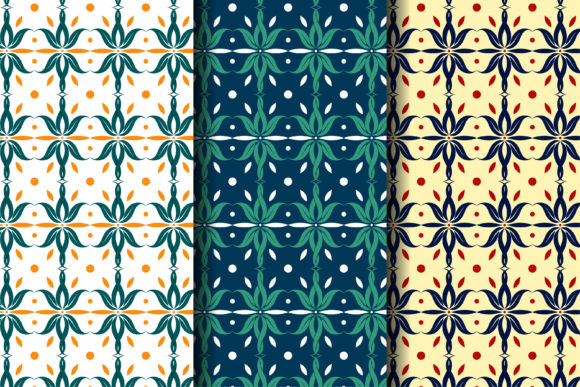
The Circle Leaf Pattern is particularly effective when paired with complementary colors. While green is the most natural choice due to its association with foliage and nature, pairing it with blue or other soft tones can create a more modern and sophisticated look.
For instance, using a light green base with a deep blue overlay can evoke a sense of tranquility and professionalism. On the other hand, combining the pattern with warm tones like beige or cream can give it a vintage or retro feel, which is popular in handmade and artisanal products.
When selecting color combinations, consider the intended use of the design. For high-end organic cosmetics, a muted palette with soft greens and blues may be more appropriate. For a more vibrant and youthful brand, bolder color contrasts can make the pattern stand out.
Integrating Circle Leaf Pattern into Workflow
Whether you're a designer, marketer, or small business owner, integrating the Circle Leaf Pattern into your workflow can streamline creative processes and improve outcomes. Here are some practical tips for implementation:
- Start with a clear vision: Define how the pattern will fit into your overall design strategy. Will it be a primary element or a supporting detail? This helps in maintaining consistency throughout the project.
- Use vector tools effectively: Software like Adobe Illustrator or Inkscape allows for precise editing and scaling of vector graphics. These tools are essential for creating and modifying the Circle Leaf Pattern to suit specific needs.
- Test for scalability: Ensure that the pattern maintains its clarity and quality at different sizes. This is especially important for print and digital applications where resolution matters.
- Consider compatibility: Make sure the pattern works well with other design elements, such as typography, photography, and branding assets. A cohesive design enhances user experience and brand perception.
- Organize your assets: Keep all design files, color variations, and version history in a structured folder system. This improves efficiency and makes it easier to revisit or modify the pattern later.
By following these steps, you can ensure that the Circle Leaf Pattern is not only visually appealing but also functional within your broader design workflow.
Real-World Applications and Use Cases
The Circle Leaf Pattern has found a place in numerous real-world applications, particularly in industries that value natural aesthetics and sustainability:
- Natural Cosmetics: Brands in the organic beauty sector often use the pattern to reinforce their commitment to nature and purity. It appears on product packaging, promotional materials, and website backgrounds.
- Handmade Products: Crafters and artisans incorporate the pattern into labels, gift wrap, and packaging to reflect the organic and handmade nature of their goods.
- Fashion and Textiles: The pattern is used in fabric prints, clothing designs, and accessory embellishments, adding a touch of elegance and sophistication.
- Interior Design: Interior designers use the pattern in wall coverings, decorative items, and furniture to create a calming and nature-inspired atmosphere.
- Digital Marketing: Marketers leverage the pattern in social media posts, email templates, and online ads to create a cohesive brand identity that appeals to eco-conscious consumers.
These applications demonstrate the wide-ranging impact of the Circle Leaf Pattern and its ability to meet diverse design needs.
Conclusion
The Circle Leaf Pattern is more than just a decorative element—it's a powerful tool that can enhance the visual appeal and functionality of a wide range of design projects. By understanding its structure, color combinations, and integration points, designers can effectively use it to create cohesive, professional, and aesthetically pleasing results.