Exploring Memphis Seamless Patterns: A Modern Design Approach for Versatile Applications
Memphis seamless patterns have emerged as a powerful design element in contemporary visual communication. Known for their bold geometric shapes, vibrant colors, and eclectic aesthetic, these patterns are more than just decorative elements—they are a reflection of cultural and artistic evolution. Originally inspired by the Memphis Group, a design collective from the 1980s, these patterns continue to influence modern design practices across various industries. Their unique characteristics make them ideal for use in diverse applications such as banner backgrounds, magazine layouts, and even digital interfaces.
The Evolution of Memphis Design
The Memphis design movement, founded in Italy during the late 1970s and early 1980s, was a radical departure from traditional design norms. It embraced a playful, unconventional approach that combined industrial materials with bright, contrasting colors. This style challenged the rigid minimalism of modernist design and introduced a new level of creativity and expression.
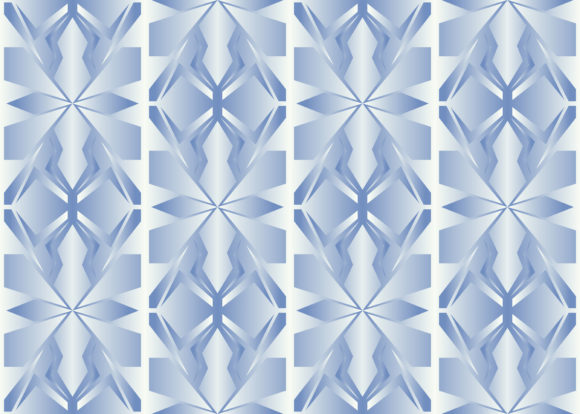
Seamless patterns derived from this movement are designed to repeat without visible seams, making them highly versatile for large-scale applications. These patterns often feature irregular shapes, unexpected color combinations, and a sense of spontaneity that captures the essence of the Memphis philosophy. The ability to create continuous, non-repeating visuals has made them a popular choice among designers seeking both visual impact and functional adaptability.
Key Characteristics of Memphis Seamless Patterns
- Vibrant Color Palette: Memphis patterns are known for their bold, high-contrast color schemes. They often incorporate neon hues, pastel shades, and unexpected combinations that create a dynamic visual effect.
- Geometric Shapes: The use of geometric forms such as triangles, circles, and hexagons is central to the Memphis aesthetic. These shapes are arranged in a way that creates a sense of movement and energy.
- Irregularity and Asymmetry: Unlike traditional grid-based designs, Memphis patterns embrace asymmetry and irregularity, resulting in a more organic and visually engaging composition.
- Textural Elements: Many Memphis patterns incorporate textured surfaces or mixed media, adding depth and dimension to the overall design.
- Repetition Without Repetition: The seamless nature of these patterns allows for endless repetition while maintaining a cohesive and balanced look.
These characteristics not only contribute to the aesthetic appeal of Memphis seamless patterns but also enhance their usability in various design contexts. Whether used in print or digital formats, they offer a unique blend of creativity and functionality.
Practical Applications of Memphis Seamless Patterns
One of the most common uses of Memphis seamless patterns is in the creation of banner backgrounds. These patterns provide a striking visual foundation that can elevate the overall design of a website, social media post, or promotional material. The bold colors and geometric shapes help draw attention and create a memorable impression.
In the world of publishing, Memphis patterns are frequently used in magazine and newspaper layouts. They can be applied to cover pages, section dividers, or background elements to add visual interest and break up text-heavy sections. This application is particularly effective in lifestyle and fashion magazines where a vibrant and eye-catching design is essential.
For digital interfaces, Memphis patterns offer a fresh alternative to conventional design elements. They can be used as background textures in apps, websites, or mobile interfaces to create a unique user experience. However, it's important to balance the intensity of these patterns to ensure they don't overwhelm the content or distract from the user's primary focus.
Additionally, Memphis patterns can be integrated into branding strategies. Companies looking to stand out in a crowded market may use these patterns in their logos, packaging, or marketing materials to convey a sense of innovation and creativity.
Selecting the Right Memphis Pattern for Your Project
When choosing a Memphis seamless pattern, several factors should be considered to ensure it aligns with your project's goals and audience. First, assess the intended use of the pattern. For example, if you're designing a banner for a product launch, you might opt for a more energetic and colorful pattern to reflect the excitement of the event.
Next, consider the target audience. Memphis patterns are generally more appealing to younger, design-savvy audiences who appreciate bold and unconventional aesthetics. If your project is aimed at a broader demographic, you may want to select a pattern that is less intense or more subdued in its color palette.
It's also important to evaluate the technical requirements of your project. Memphis patterns are typically available in various file formats, including EPS and JPG. EPS files are vector-based and offer scalability without loss of quality, making them ideal for print and high-resolution displays. JPG files, on the other hand, are suitable for web and digital applications but may require additional compression to maintain clarity.
Finally, always test the pattern in different environments to ensure it performs well across various platforms and devices. This step helps identify any potential issues related to color accuracy, resolution, or visual impact.
Design Considerations and Best Practices
While Memphis seamless patterns offer a wide range of creative possibilities, there are some key considerations to keep in mind when incorporating them into your designs. One of the most important aspects is maintaining visual harmony. Although the boldness of these patterns is a defining feature, it's crucial to balance their intensity with other design elements to avoid overwhelming the viewer.
Another consideration is the context in which the pattern will be used. In print, for instance, the contrast between the pattern and the surrounding content should be carefully managed to ensure readability. In digital applications, the pattern's interaction with light and screen resolution must be tested to prevent visual distortion or performance issues.
Additionally, it's worth exploring how these patterns can be combined with other design elements to create a cohesive and meaningful composition. Experimenting with layering, transparency, and negative space can help enhance the overall impact of the design while maintaining a sense of balance and structure.
Lastly, staying informed about current design trends and user preferences can help you make more informed decisions when selecting and applying Memphis seamless patterns. As design evolves, so too do the ways in which these patterns can be utilized to meet the needs of diverse audiences and applications.