Java Batik Design: A Timeless Expression of Cultural Elegance
Java Batik Design is more than just fabric—it's a symbol of heritage, artistry, and identity. Originating from the island of Java in Indonesia, this intricate textile tradition has captivated people around the world with its detailed patterns, rich colors, and deep cultural significance. Among the most admired designs are the elegant batik flower patterns, often rendered in striking brown hues that evoke warmth, sophistication, and timeless beauty. Whether you're looking to incorporate this style into your wardrobe or explore it for creative projects, understanding the nuances of Java Batik Design can help you make informed choices.
The Beauty of Java Batik Flower Patterns
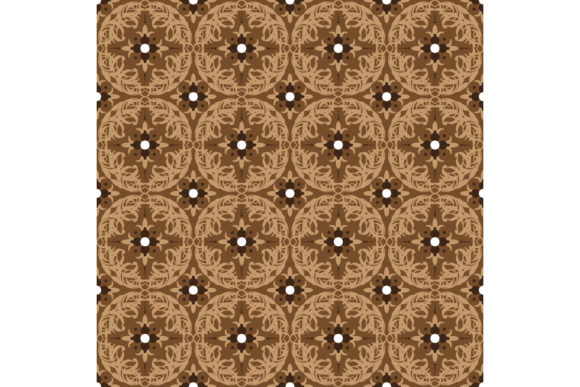
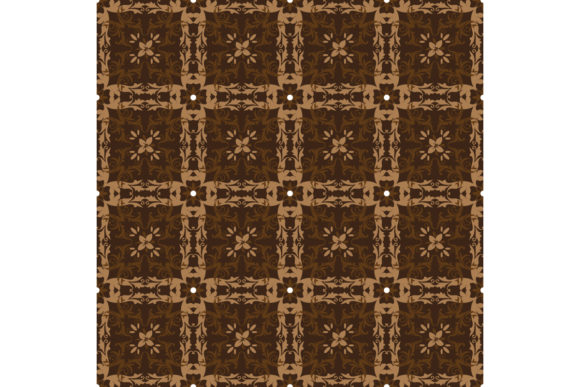
Elegant batik flower patterns are a hallmark of traditional Java clothing. These floral motifs, often inspired by nature, are meticulously hand-dyed using wax-resist techniques. The brown color palette, while seemingly simple, offers a versatile foundation that complements a wide range of settings—from formal events to casual gatherings. Brown in batik design is not merely a choice of color; it represents maturity, strength, and resilience, making it a popular option for those who appreciate subtlety and depth in their attire.
However, many individuals overlook the importance of selecting the right pattern and color combination. For instance, choosing overly complex floral designs without considering the occasion may lead to an unbalanced appearance. Similarly, pairing brown batik with inappropriate accessories or fabrics can diminish the elegance of the overall look.
Common Mistakes When Choosing Java Batik Clothing
- Misjudging the scale of the pattern: Large floral motifs on small garments can appear overwhelming, while tiny details on large pieces might get lost. Always consider how the pattern interacts with the garment's size and purpose.
- Ignoring fabric quality: Cheap materials can compromise the integrity of the batik design, leading to fading or damage over time. Opt for high-quality cotton or silk to ensure durability and vibrancy.
- Overlooking cultural context: While Java Batik is visually appealing, it carries cultural weight. Misusing or misrepresenting these designs without understanding their origins can be disrespectful and detract from their authenticity.
Practical Tips for Selecting and Using Java Batik Design
To avoid these pitfalls and enhance your experience with Java Batik Design, consider the following advice:
- Match the pattern to the setting: Choose simpler, more refined floral designs for professional or formal events, and go for bolder, more elaborate ones for festivals or casual wear.
- Pay attention to fabric texture: Ensure the fabric feels comfortable against the skin and maintains the batik’s integrity through multiple washes. Natural fibers like cotton or silk are ideal choices.
- Pair wisely with accessories: Use neutral-colored accessories—such as black, white, or earth tones—to let the batik take center stage without clashing.
How to Appreciate and Incorporate Java Batik Into Your Life
Java Batik Design is not limited to clothing alone. Many enthusiasts use it in home décor, such as cushions, tablecloths, or wall hangings. This versatility makes it an excellent choice for interior designers, crafters, and collectors alike. However, when applying batik to different surfaces, it's essential to choose appropriate methods for transferring the design, such as screen printing or digital embroidery.
A common mistake is assuming that all batik designs are interchangeable across different mediums. Some patterns are better suited for specific applications. For example, fine floral details work well on delicate fabrics but may not translate effectively onto rougher materials like canvas. Researching the best application method for your project can prevent costly errors and ensure a polished result.
Why Java Batik Is Worth Exploring
For those new to Java Batik Design, it's easy to dismiss it as too traditional or difficult to integrate into modern life. Yet, the adaptability of batik patterns allows them to blend seamlessly with contemporary fashion and design trends. Brown-colored batik, in particular, offers a neutral yet distinctive base that can be styled in countless ways.
Another benefit of Java Batik is its role in supporting local artisans and preserving traditional craftsmanship. By choosing authentic batik products, you contribute to the sustainability of this cultural practice. Be cautious, however, when purchasing online or from mass-market retailers—these items may lack the authenticity and care found in handmade batik.
When shopping for Java Batik, always check for indicators of quality, such as the presence of wax marks, the precision of the patterns, and the reputation of the seller. Supporting ethical producers ensures that you receive genuine, high-quality batik while helping sustain the livelihoods of skilled artisans.
Final Thoughts on Java Batik Design
Java Batik Design, especially with its elegant brown flower patterns, offers a unique blend of tradition and beauty that continues to inspire. Whether you're a collector, a fashion enthusiast, or simply curious about global textiles, taking the time to understand and appreciate this art form can enrich your experiences and choices.
By avoiding common mistakes and making thoughtful decisions, you can confidently embrace Java Batik in your life, ensuring that each piece you own or create reflects both personal style and cultural respect.