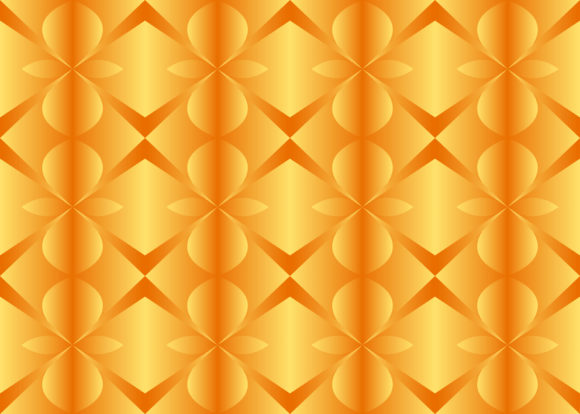
Seamless Pattern Yellow Gradient
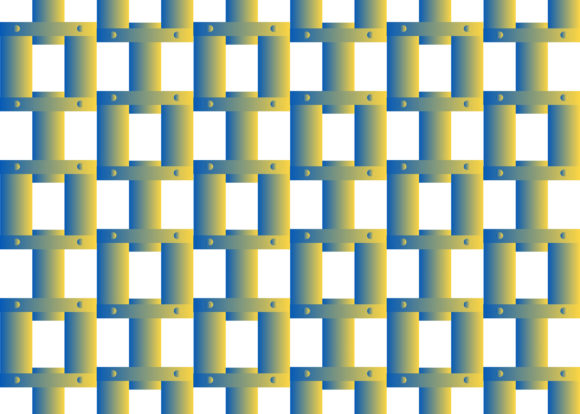
A seamless pattern yellow gradient is a design element that seamlessly repeats across any surface without visible seams or breaks. This type of pattern is created by blending shades of yellow in a smooth gradient, allowing it to flow continuously. The result is a visually cohesive and elegant design that can be used in various creative applications.
Why Choose a Seamless Pattern Yellow Gradient?
The appeal of a seamless pattern yellow gradient lies in its versatility and aesthetic qualities. It offers a warm, vibrant color scheme that can evoke feelings of energy, optimism, and creativity. Whether used in digital design or physical products, this pattern provides a clean and modern look that stands out in a variety of contexts.
One of the primary reasons people are interested in seamless pattern yellow gradients is their adaptability. These patterns can be customized to suit different industries and purposes, making them a valuable asset for designers and creators looking for consistent visual elements.
Benefits of Using a Seamless Pattern Yellow Gradient
Using a seamless pattern yellow gradient offers several advantages:
- Versatility: It works well across multiple mediums, from web backgrounds to fabric prints and gift wrapping paper.
- Visual Appeal: The gradient effect adds depth and dimension, enhancing the overall aesthetic of any design.
- Consistency: Seamless patterns ensure uniformity across large surfaces, reducing the need for manual adjustments.
- Customization: Designers can modify the gradient colors, intensity, and layout to match specific brand identities or project requirements.
- Cost-Effective: Using a single pattern across various materials reduces production costs and streamlines the design process.
Considerations and Tradeoffs
While seamless pattern yellow gradients offer many benefits, there are also considerations to keep in mind:
Firstly, the choice of color palette is crucial. A too-bright or too-dim yellow gradient may not be suitable for all applications. It’s important to test the pattern on different backgrounds and materials to ensure it complements the intended use.
Secondly, file format matters. The collection specifies JPG files only, which is ideal for web use but may not be optimal for high-resolution printing. Designers should consider the final output medium when selecting the appropriate file type.
Additionally, while seamless patterns are efficient for large-scale designs, they may lack the intricate details found in non-seamless patterns. For projects requiring more complexity, alternatives such as custom-designed patterns or layered graphics might be worth exploring.
When Is a Seamless Pattern Yellow Gradient a Strong Fit?
A seamless pattern yellow gradient is particularly effective in the following situations:
- Web Backgrounds: Its smooth transition and vibrant tone make it ideal for creating engaging and eye-catching website backgrounds.
- Fabric and Textile Design: Used in fashion and home decor, these patterns add a modern touch to fabrics and textiles.
- Gift Wrapping Paper: The warm and inviting nature of the gradient makes it a great choice for festive or celebratory packaging.
- Home Decor: From wall art to upholstery, the pattern can enhance interior spaces with a sense of warmth and style.
- Cosmetics and Food Branding: The gradient’s clean and sophisticated look aligns well with branding for beauty and food products.
Alternatives to Consider
While a seamless pattern yellow gradient is a strong option, there are other design choices that might better suit certain projects:
- Non-Seamless Patterns: These allow for more detailed and varied designs, which may be preferable for artistic or high-end applications.
- Custom Color Gradients: Tailoring the gradient to specific brand colors can create a more personalized and unique design.
- Layered Graphics: Combining multiple elements can provide greater flexibility and visual interest, especially for complex designs.
Practical Decision-Making Insights
When deciding whether to use a seamless pattern yellow gradient, consider the following factors:
- Project Purpose: Determine if the design needs to be scalable, repeatable, or highly detailed.
- Target Audience: Assess how the pattern will be perceived by the end user and whether it aligns with their preferences.
- Medium and Use Case: Ensure the pattern is suitable for the intended application, whether it's digital, print, or physical product design.
- Brand Identity: Align the pattern with the brand’s visual language to maintain consistency and recognition.
- Technical Requirements: Confirm that the file format (JPG) meets the technical specifications of the project.
Ultimately, a seamless pattern yellow gradient is a versatile and effective design solution for a wide range of applications. By understanding its strengths, limitations, and appropriate use cases, designers can make informed decisions that best serve their creative and practical goals.